



About the Cité
A Technology Park Dedicated to Agri-Food Innovation
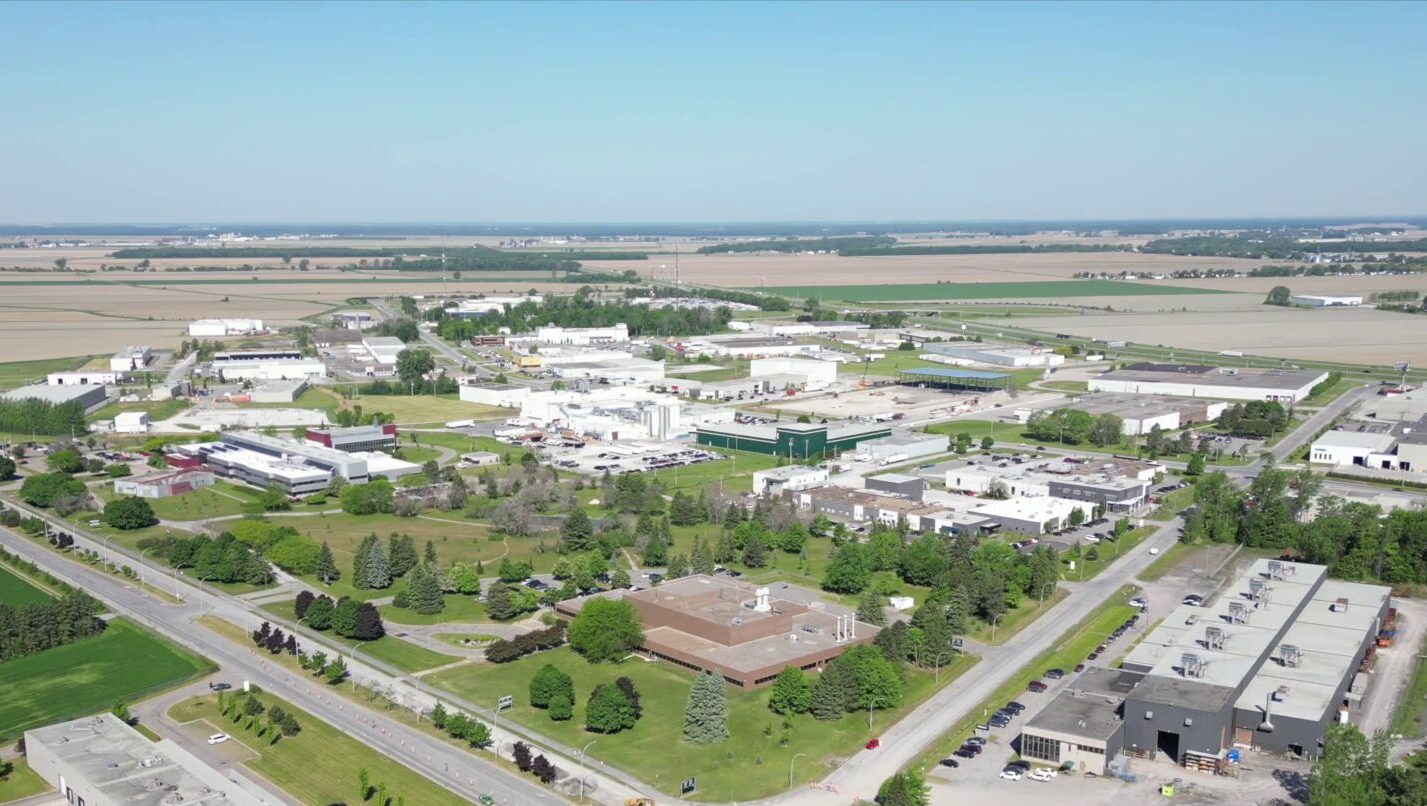
The Cité de l’innovation agroalimentaire is North America’s first technology park exclusively dedicated to the agri-food processing sector. It is home to numerous companies specializing in this sector. The major educational, research, and industry support institutions that surround it, the specialized services offered there, and the associated benefits make it an ideal location for the development of innovative companies linked to the agri-food and veterinary sectors.
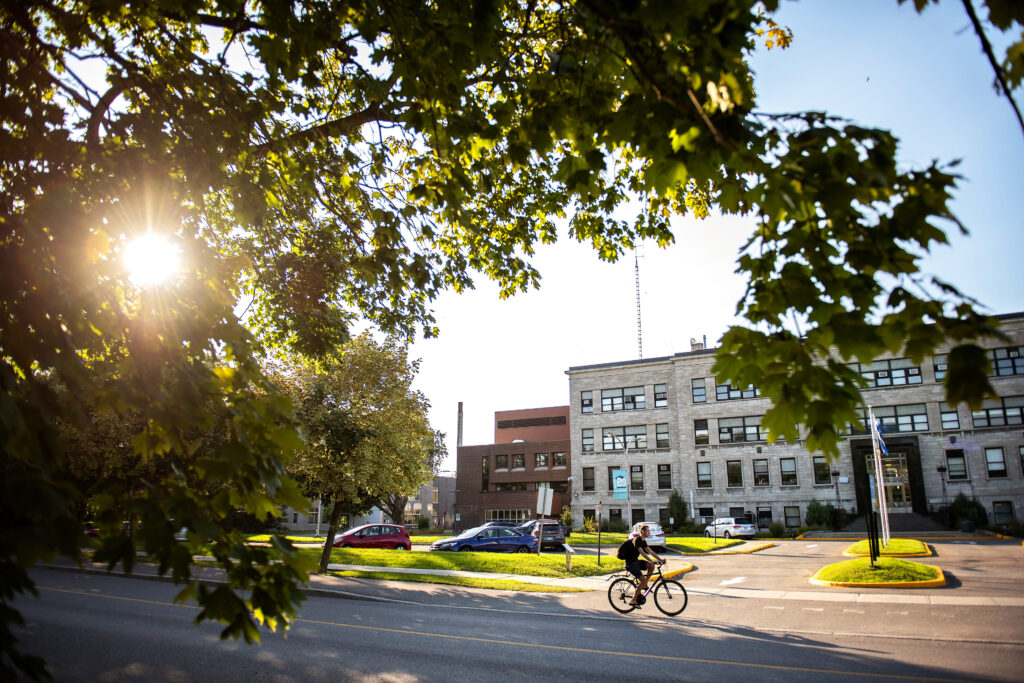
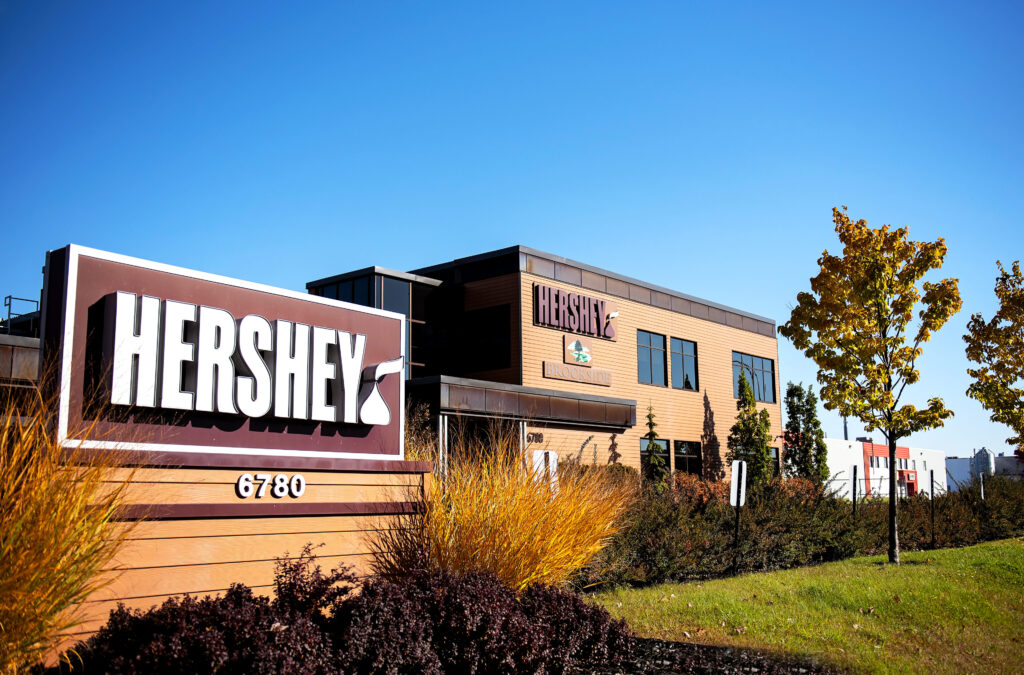
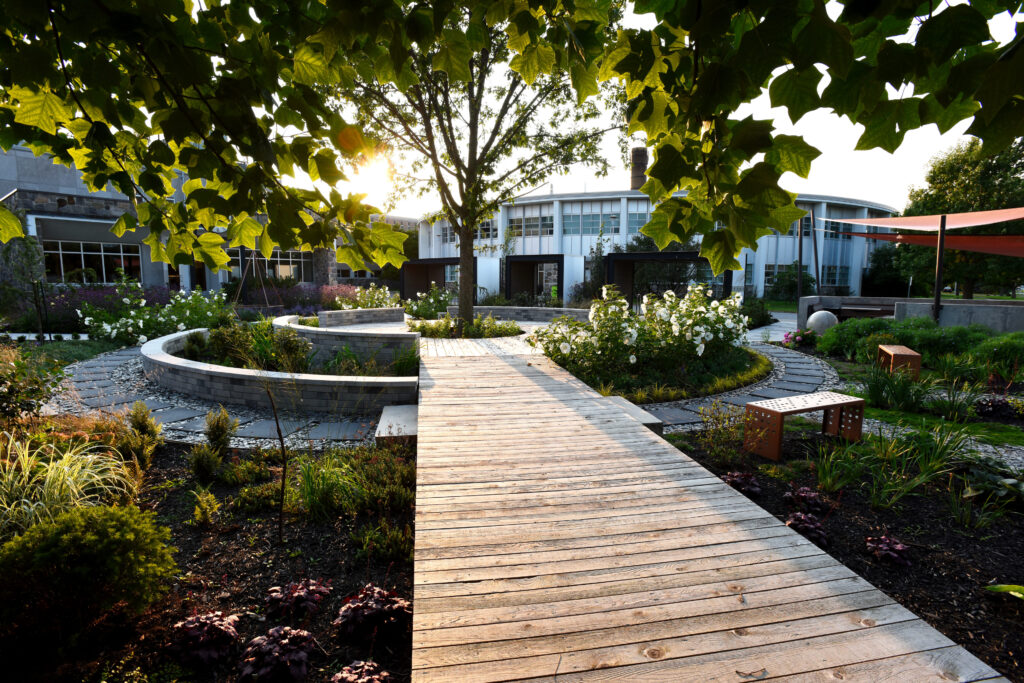
Overview of the Cité de l'innovation agroalimentaire
The Largest Agri-Food Innovation Ecosystem in Quebec
The Saint-Hyacinthe agri-food innovation ecosystem brings together more than 150 research, higher education, technology transfer, and specialized industries in the bio-food sector. At the heart of this ecosystem, the Cité de l’innovation agroalimentaire, a dedicated technology park, brings together some 3,000 workers and professionals, including 200 world-renowned permanent researchers, active in food processing and related sciences. This combination makes Saint-Hyacinthe not only the most comprehensive hub in Quebec, but also one of the most recognized in Canada and internationally.
The Cité's Territory
The Most Innovative 3 km2 in Agri-Food
Located in the heart of the city of Saint-Hyacinthe, on the outskirts of the Montreal Metropolitan Community (CMM), the Cité de l’innovation agroalimentaire benefits from strategic accessibility, particularly thanks to its proximity to Highway 20, one of Canada’s major highways.
Located in the heart of the St. Lawrence Valley, the Cité de l’innovation agroalimentaire benefits from its proximity to some of Quebec’s most fertile farmland, making the Maskoutain region the province’s most important area for the production, processing, trade, and exchange of agri-food products.
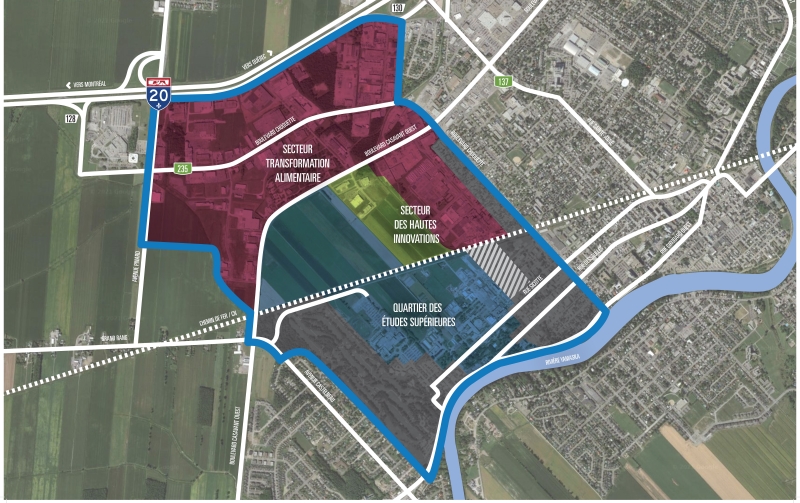
The boundaries of the Cité de l’innovation agroalimentaire are divided into four main sectors:
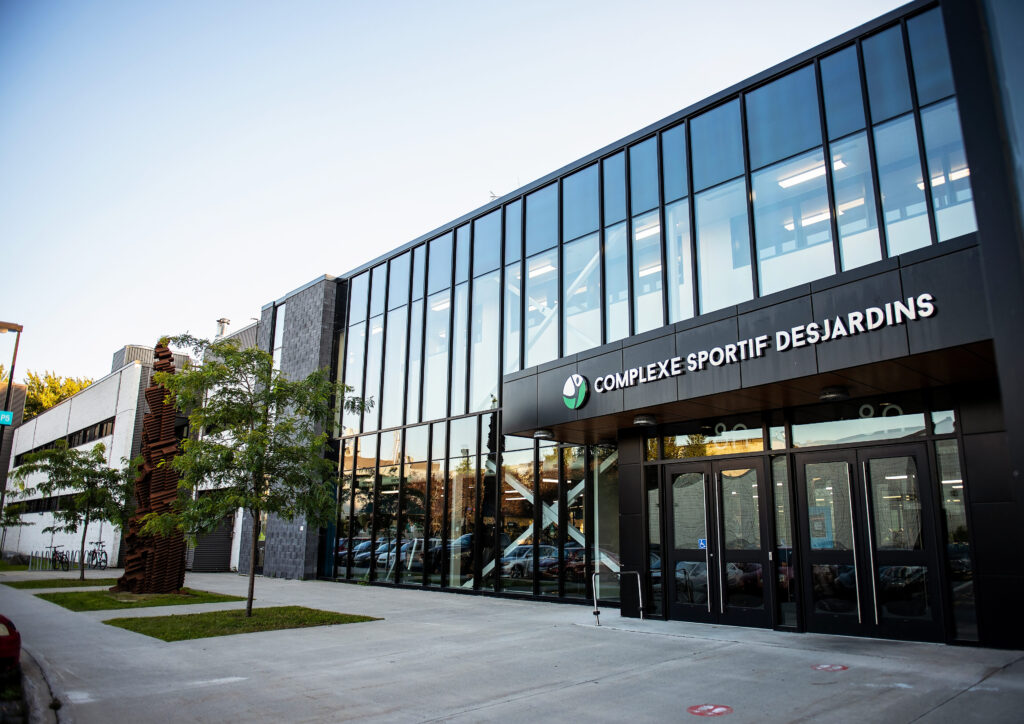
- The Quartier des études supérieures, where the main vocational, college, and university institutions dedicated to the agri-food sector are located;
- The High Innovation sector, designed to accommodate innovative companies, their research and development activities, and technology support services;
- The Olivier-Chalifoux industrial sector, which hosts the manufacturing activities of companies across the entire agri-food industry, including food processing and related sectors such as animal health and nutrition, as well as applied research.
- A residential and service aera, incorporating local shops, services, and leisure areas.

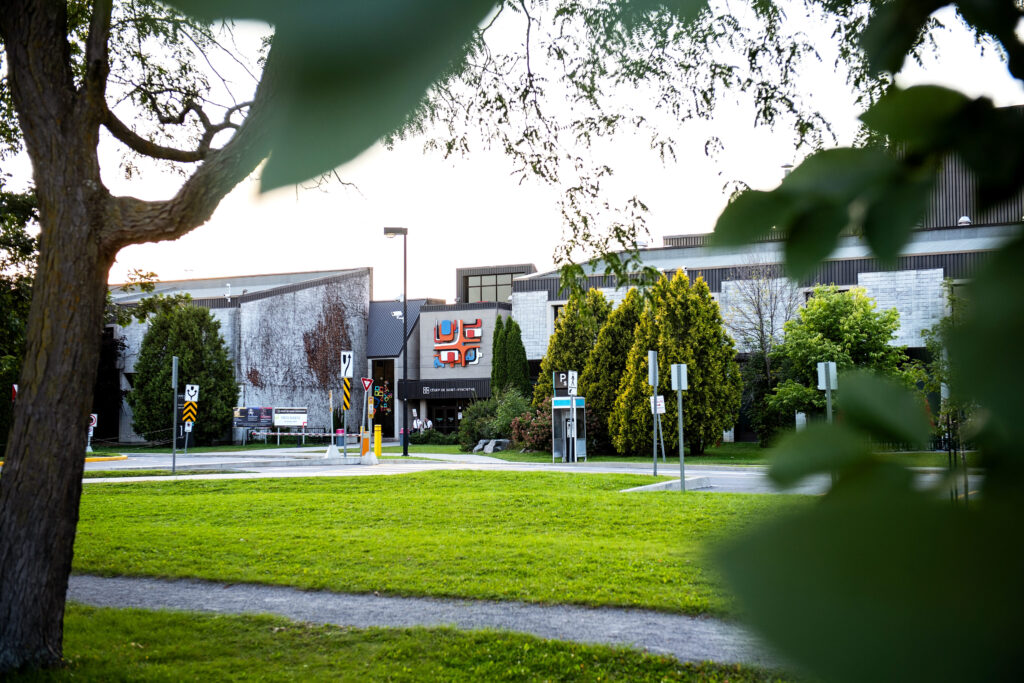
The Quartier des études supérieures
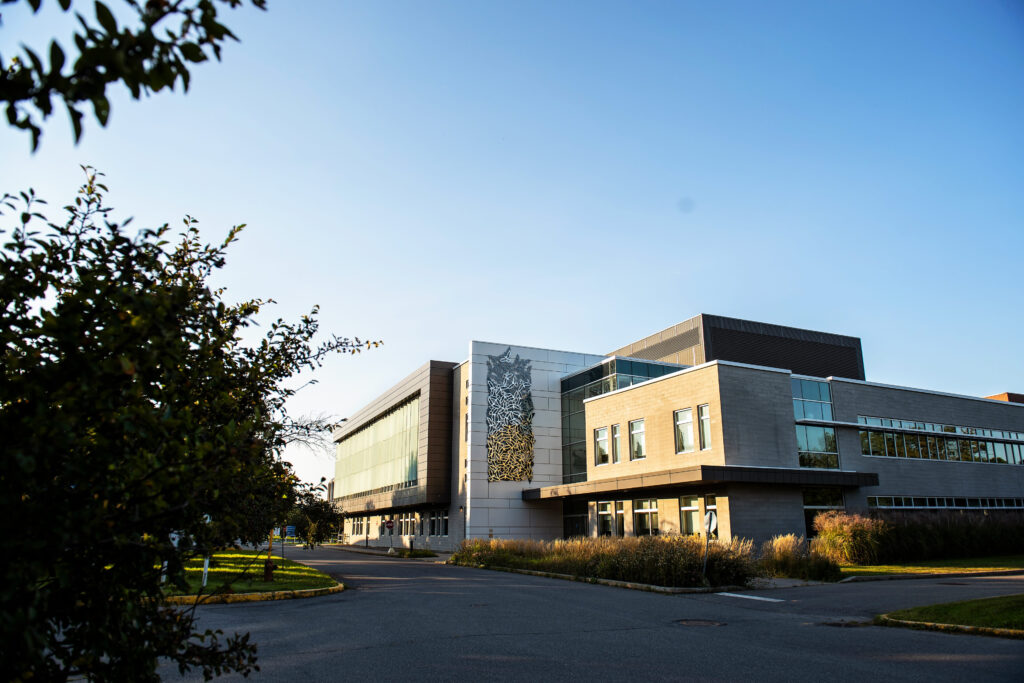
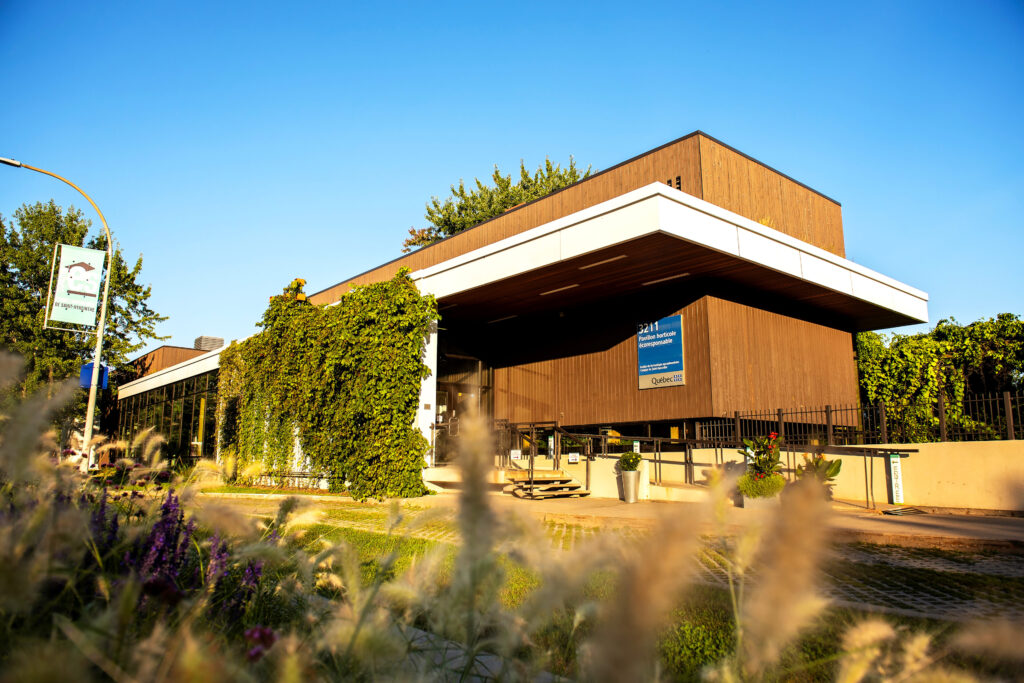
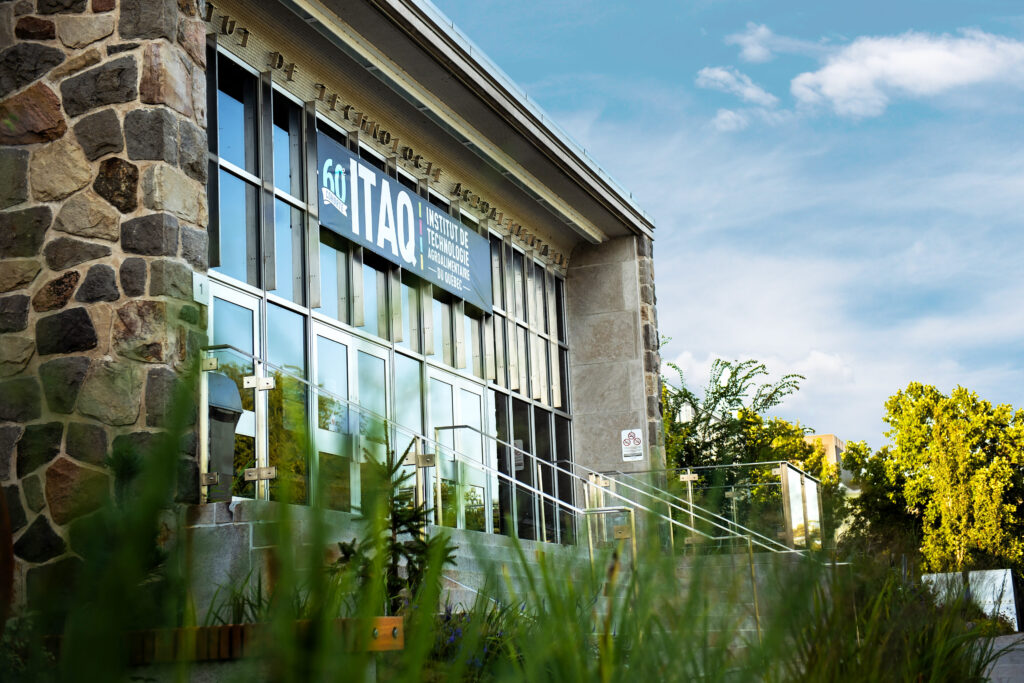
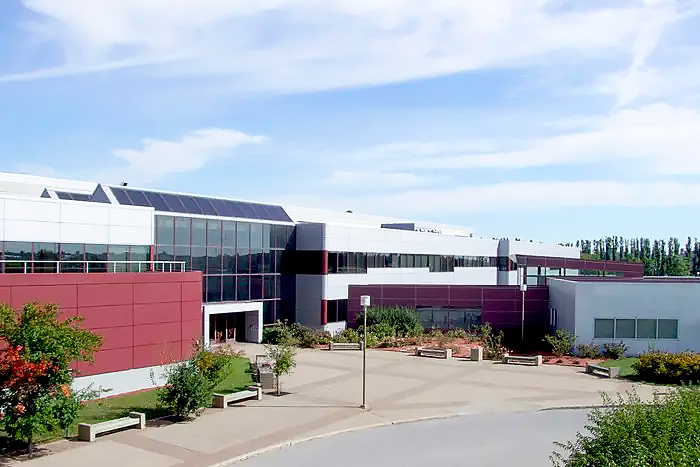
Mainly includes major higher education institutions and research units linked to the agri-food sector, in particular:
- Faculty of Veterinary Medicine, (Université de Montréal);
- 21 specialized research units and chairs;
- Quebec Institute of Agri-Food Technology (ITAQ);
- Cégep de Saint-Hyacinthe;
- Quebec Veterinary Diagnostic and Epidemiological Surveillance Complex;
- Quebec Cheese Expertise Center; (Centre d’expertise fromagère du Québec)
etc.
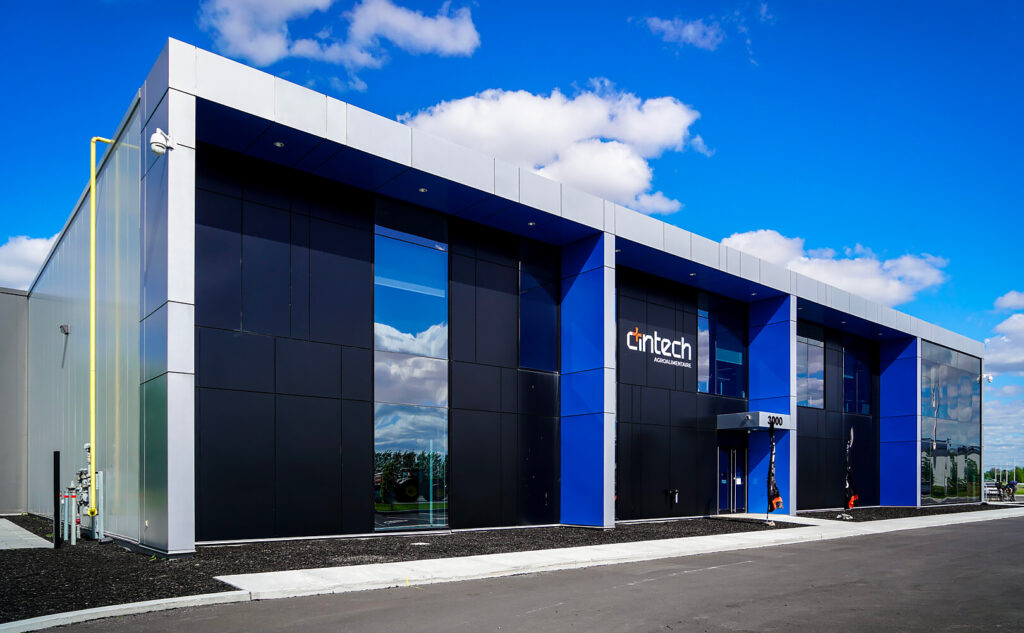
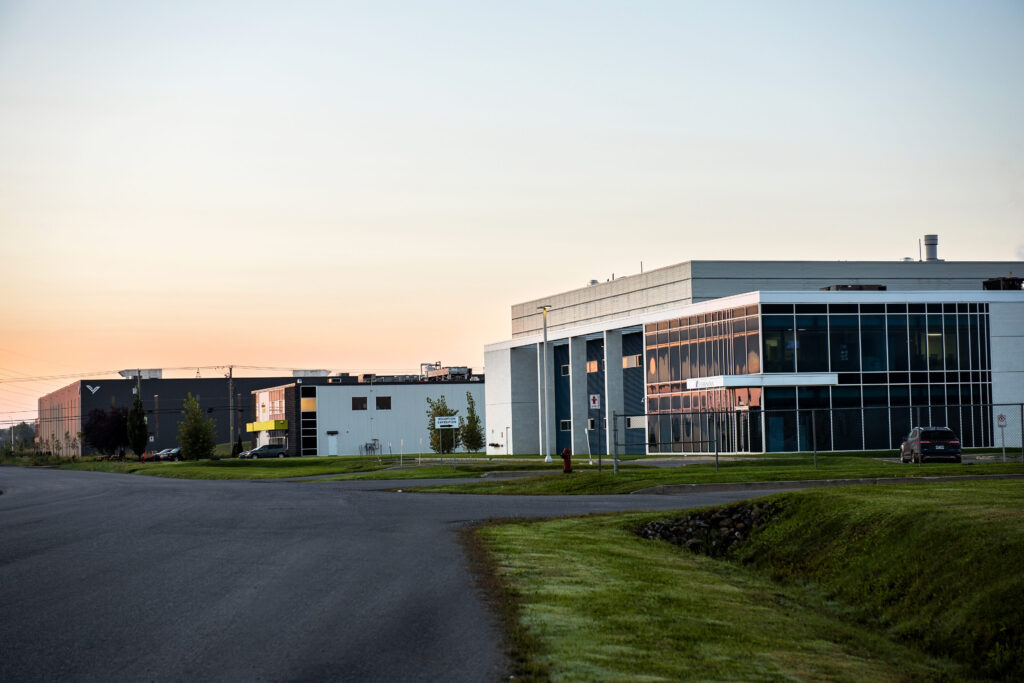
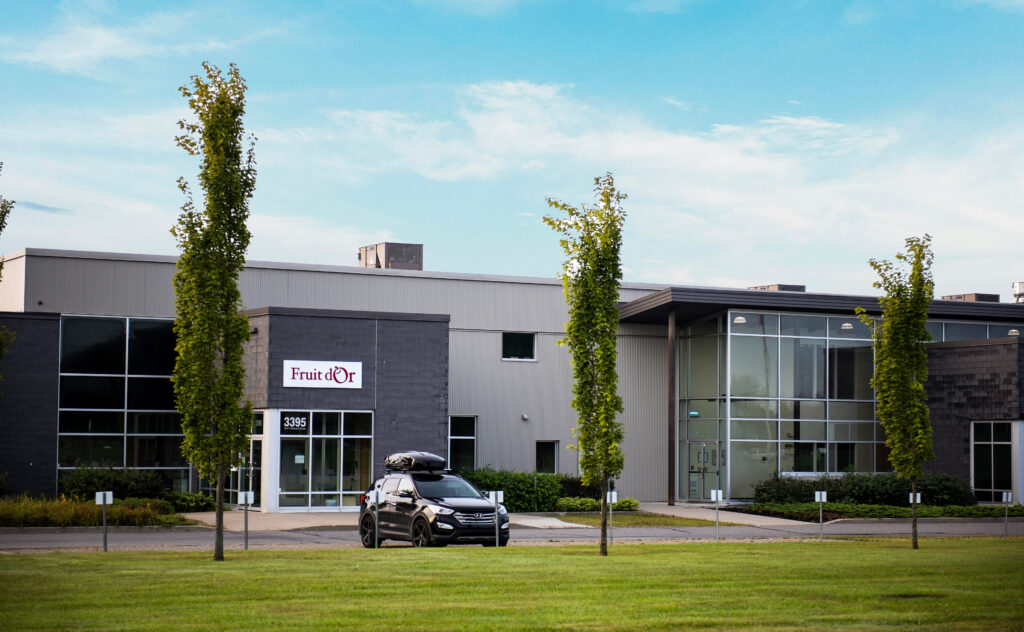

The High Innovation Sector
Brings together high-tech companies in the agri-food sector, spaces available for hosting startups, and technology transfer services, including:
- Saint-Hyacinthe Research and Development Center
- Canadian Food Inspection Agency (CFIA)
- Cintech Agri-Food;
- Fruit d’Or (R&D);
- ACER Center (Center for Research, Development, and Technology Transfer in Maple Syrup Production Inc.);
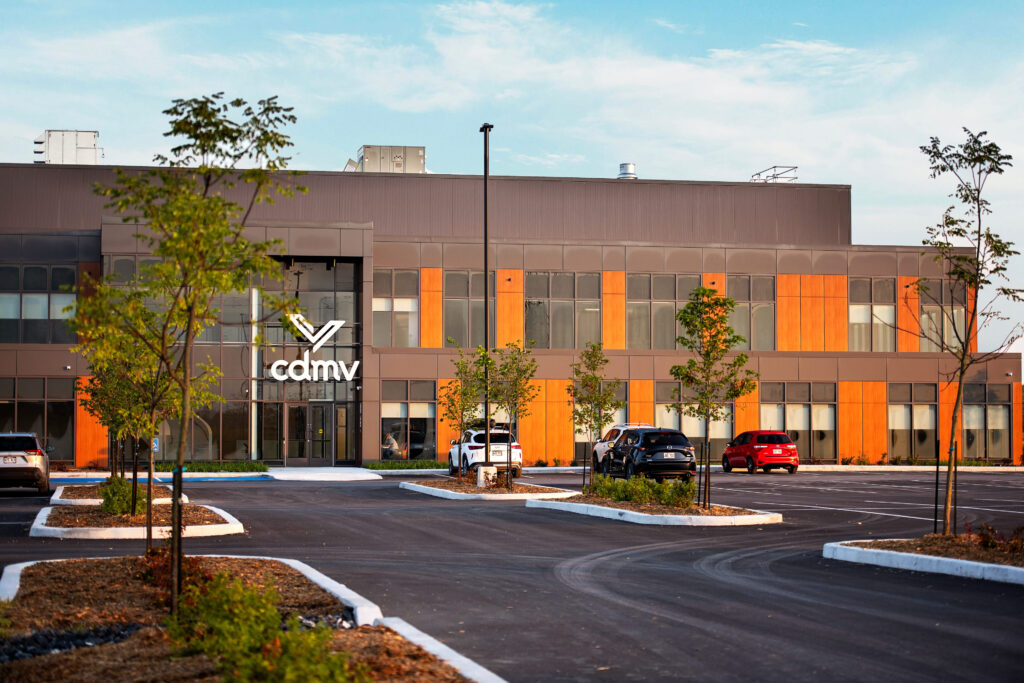
- CDMV Inc.;
- etc.

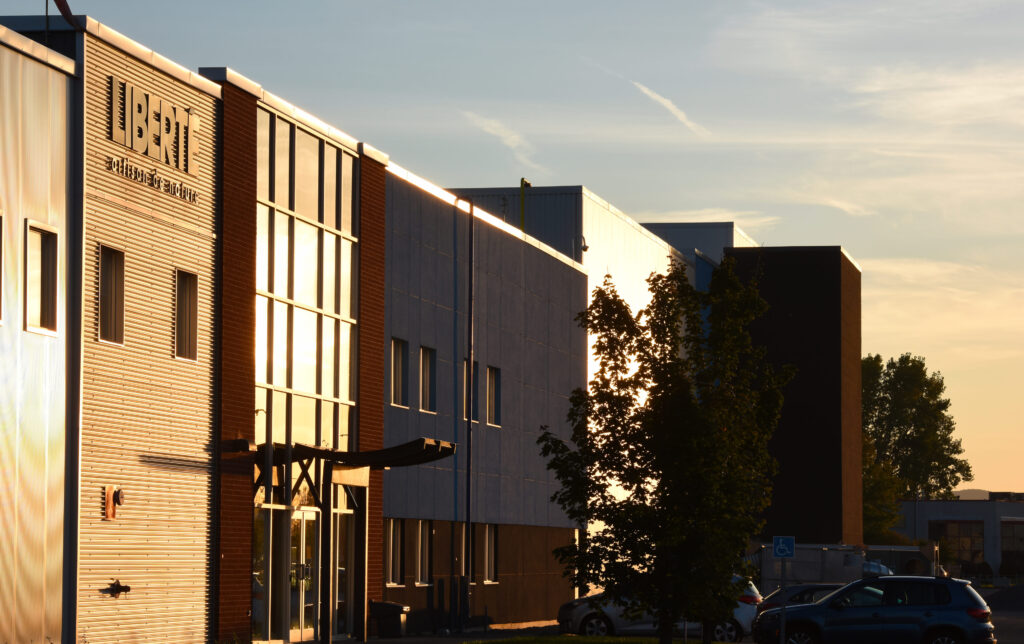
Olivier-Chalifoux Industrial Sector
Brings together a high concentration of food processing companies as well as research and development and incubation institutions in this sector:
- Industrie gastronomique Cascajares;
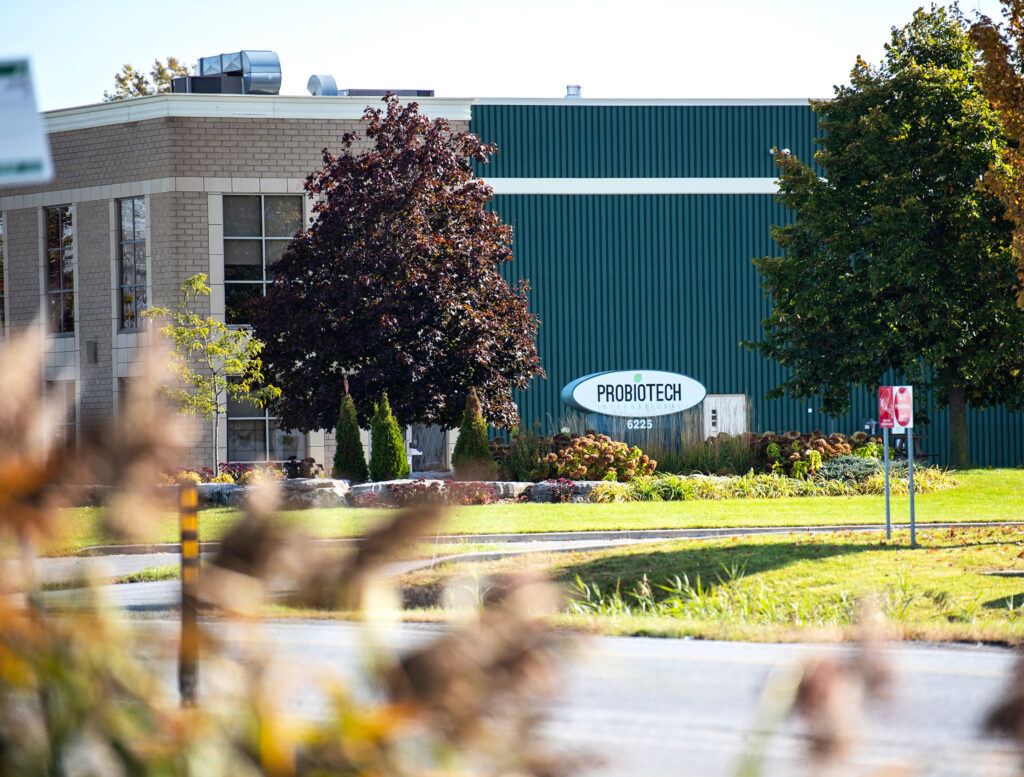
- Probiotech International inc.;
- Yoplait Liberté Canada (Général Mills);
- Biena inc.;
- Bio Biscuit inc.;
- Barry Callebault Canada inc.;
- Groupe Nutri inc.;
- Aliments BCI inc.;
- Hershey Canada inc.;
- Station Agro-Biotech;
- etc..



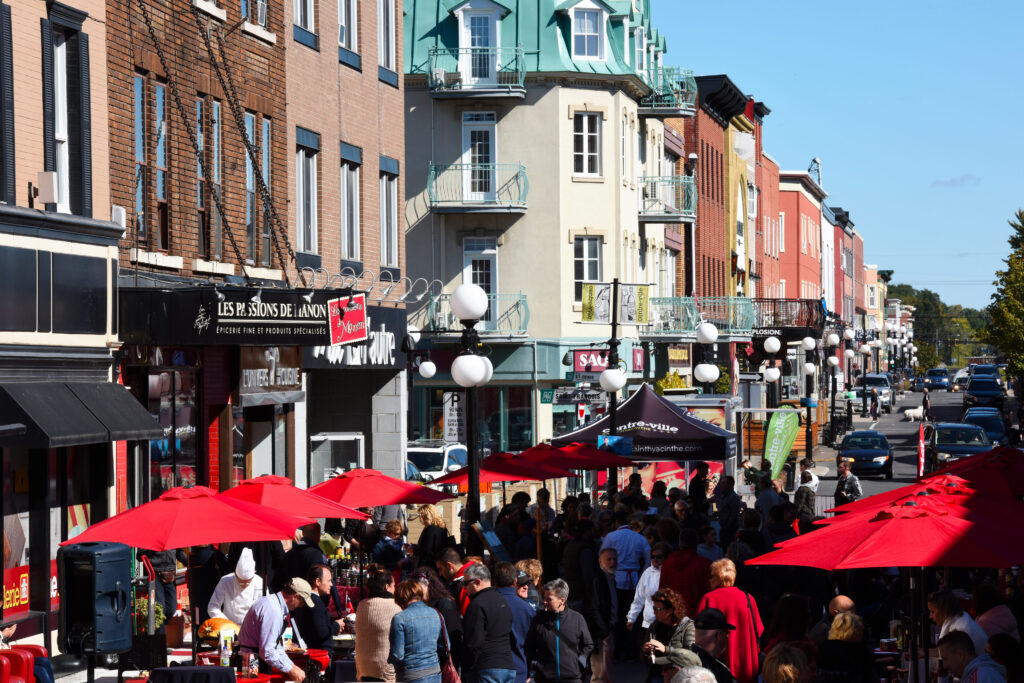
Residential and service areas
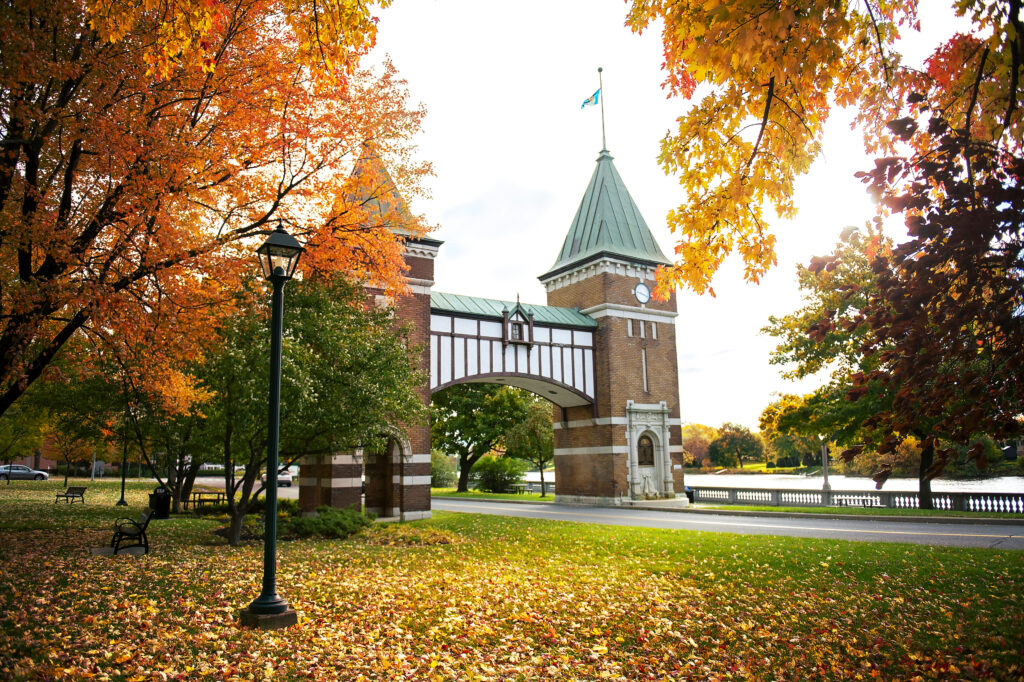
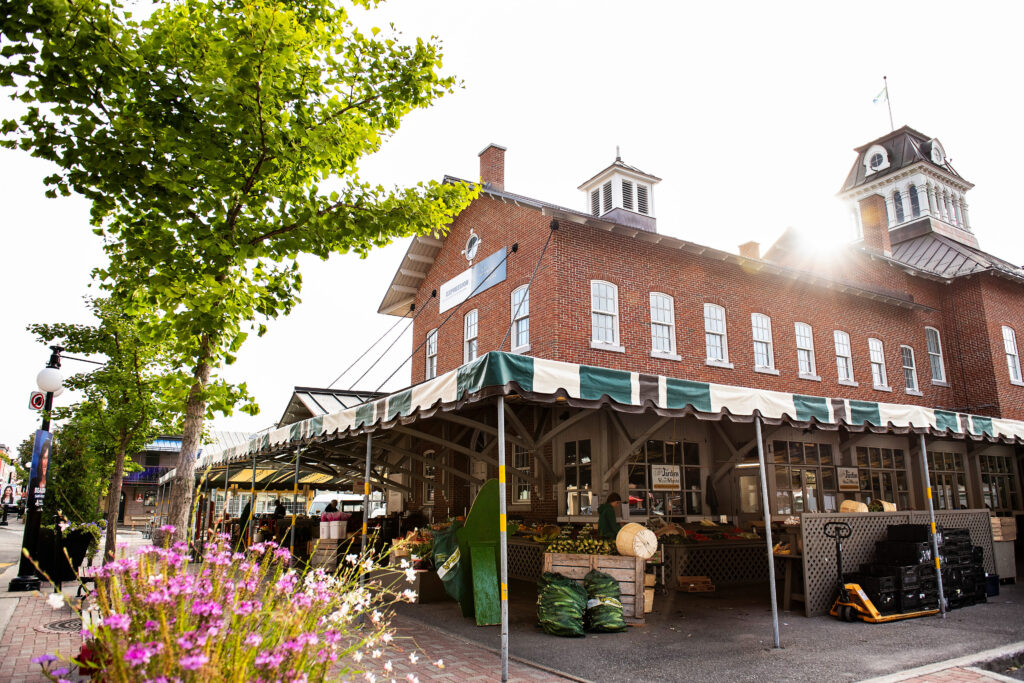
A technology park integrated into the urban environment, offering a high-quality living environment thanks to easy access to residential areas, parks, green spaces, and recreational facilities, as well as a diverse range of local shops and services:
- Residential areas;
- Parks and green spaces;
- A golf club;
- Close to shopping areas;
- Close to downtown Saint-Hyacinthe and its cultural hub.
History
Saint-Hyacinthe: An Agri-Food Tradition Dating Back More Than a Century
The Maskoutain region has a tradition dating back more than a century in production, processing, training, and innovation related to the agri-food sector.
Saint-Hyacinthe: A Century of Agri-Food Innovation
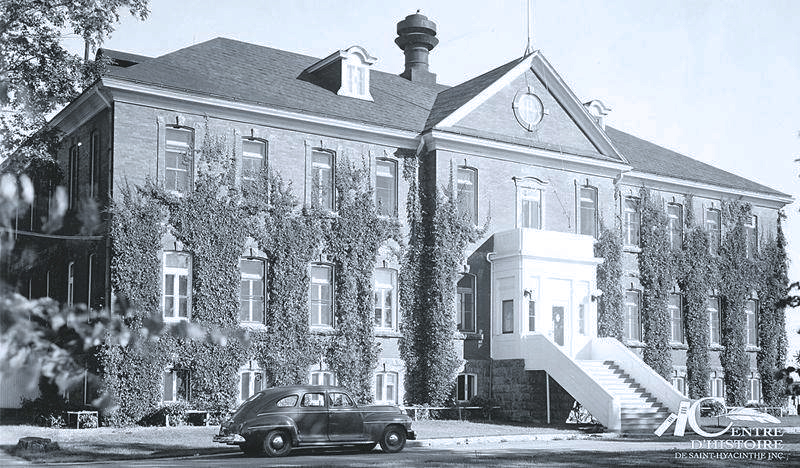
The Institutions at the Heart of The Ecosystem
Thanks to its strong agricultural activities, Saint-Hyacinthe was chosen in 1882 to host the headquarters of the Société d’industrie laitière du Québec (Quebec Dairy Industry Society), which aimed to improve the quality of dairy products by developing real expertise in the field. This led to the opening of the École de laiterie de Saint-Hyacinthe (Saint-Hyacinthe Dairy School) 10 years later, which trained several generations of butter and cheese makers in the province. It is the predecessor of the Institut de technologie agroalimentaire du Québec (Quebec Institute of Agri-Food Technology). In 1947, the city welcomed the School of Veterinary Medicine, which became the Faculty of Veterinary Medicine at the Université de Montréal in 1968. As the only French-language veterinary teaching institution in the Americas, it continues to play an essential role in innovation in the agri-food sector.
An Economic Shift Towards Agri-Food
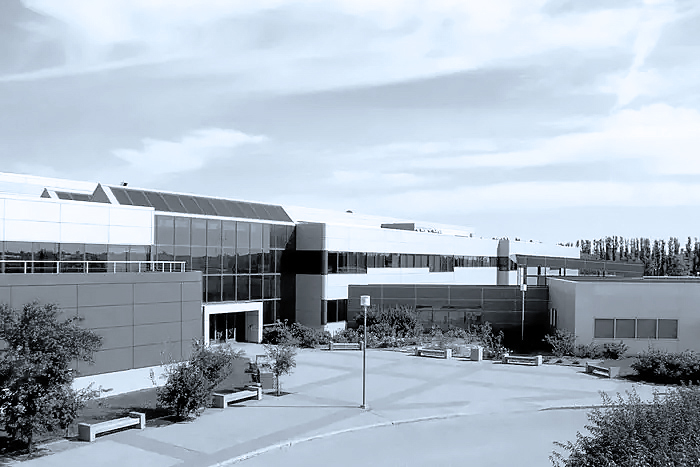
Quebec’s Agri-Food Capital
In the second half of the 20th century, efforts were focused on developing an industrial park where food processing and agri-food support companies could set up shop as a technology cluster. This gamble paid off, with some 20 new companies setting up shop in less than five years. This earned Saint-Hyacinthe the title of Quebec’s Agri-Food Capital in 1983. In 1987, the Government of Canada inaugurated the Food Research and Development Centre in Saint-Hyacinthe, the largest food processing research facility in the country.
1993 - Recognition as a Technology Park
First Canadian Member of the International Association of Science Parks (IASP)
The technology hub that developed as a result enabled Saint-Hyacinthe to make a name for itself in the international network of science parks linked to agri-food science. Seizing on this newfound renown, local decision-makers began taking steps in the early 1990s to elevate this young ecosystem of production and innovation to the status of a technopole. After a long process, Saint-Hyacinthe became the first Canadian technopole to be accredited by the International Association of Science Parks (IASP) in 1993.
2003 - The Birth of the Cité de l'innovation agroalimentaire
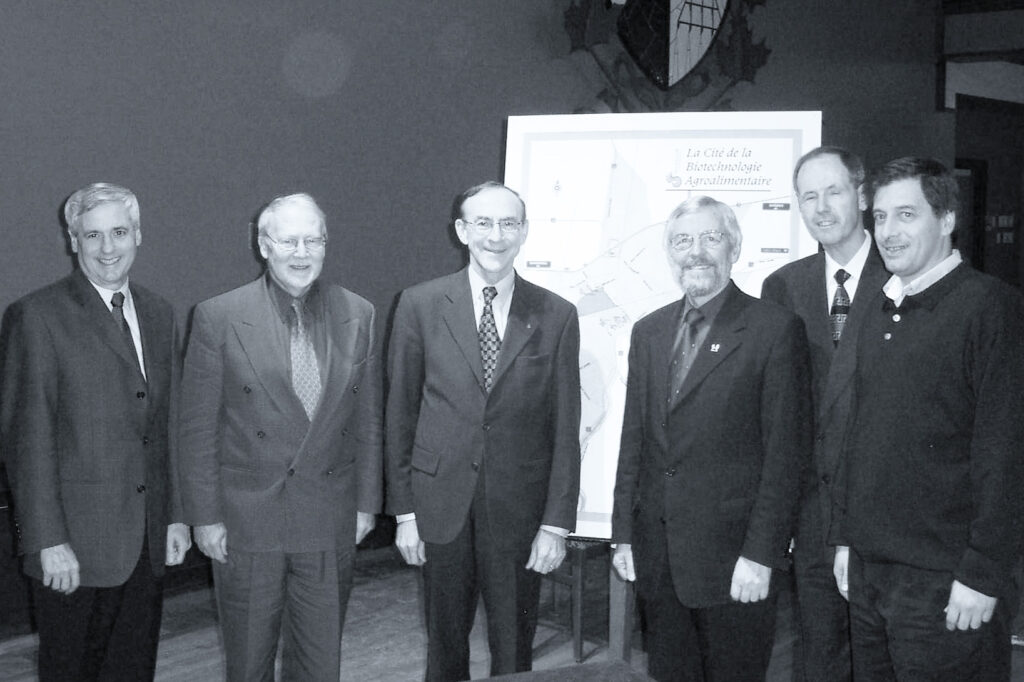
North America’s First Technology Park Dedicated to the Sector
It was not until five years later that the idea of creating a technology and science park dedicated to innovation in the agri-food sector was born. The Maskoutain community wanted to take advantage of the world-class research expertise available in Saint-Hyacinthe through its scientific and higher education institutions to generate more industrial applications and economic benefits for the region and the agri-food sector. All this was to be achieved by creating, within a defined area, a space where research and higher education stakeholders, talented individuals, and companies in the sector could come together. Thus, the Cité de la biotechnologie agroalimentaire et vétérinaire (Agri-Food and Veterinary Biotechnology City), now known as the Cité de l’innovation agroalimentaire (Agri-Food Innovation City), was officially established on January 16, 2003.
2000–2010 – Development of the Industrial Real Estate Pool
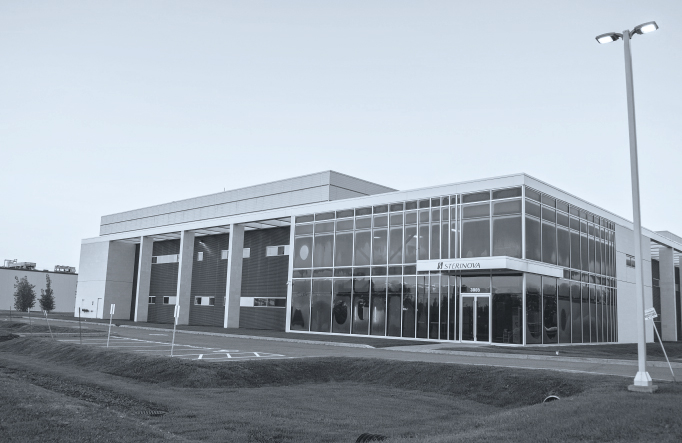
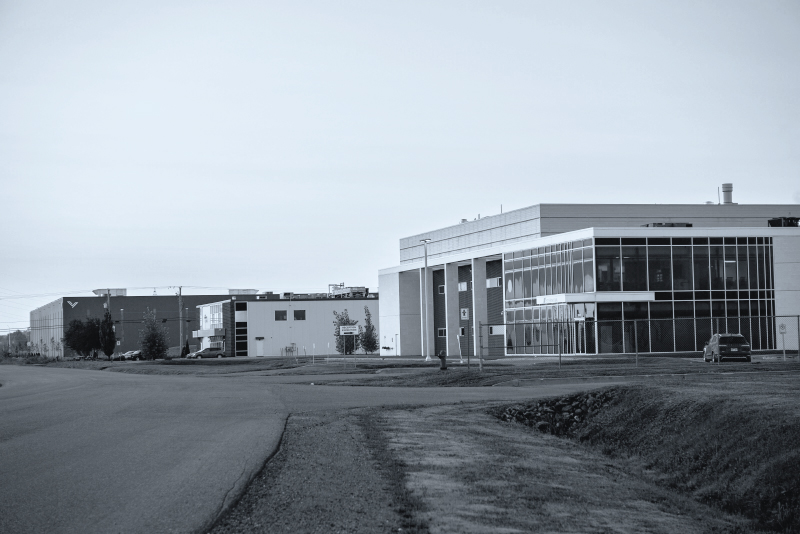
Accelerators Benefiting Innovative Companies
Since its founding, the Cité has developed a large real estate portfolio to accommodate emerging companies specializing in the agri-food, veterinary, and pharmaceutical sectors. Eight buildings offer more than 350,000 square feet of production and research space to some 20 innovative companies. These business accelerators represent an asset of more than $60 million for Saint-Hyacinthe Technopole, which now owns them.
2023 – 20 Years Supporting Innovation in Quebec's Agri-Food Sector
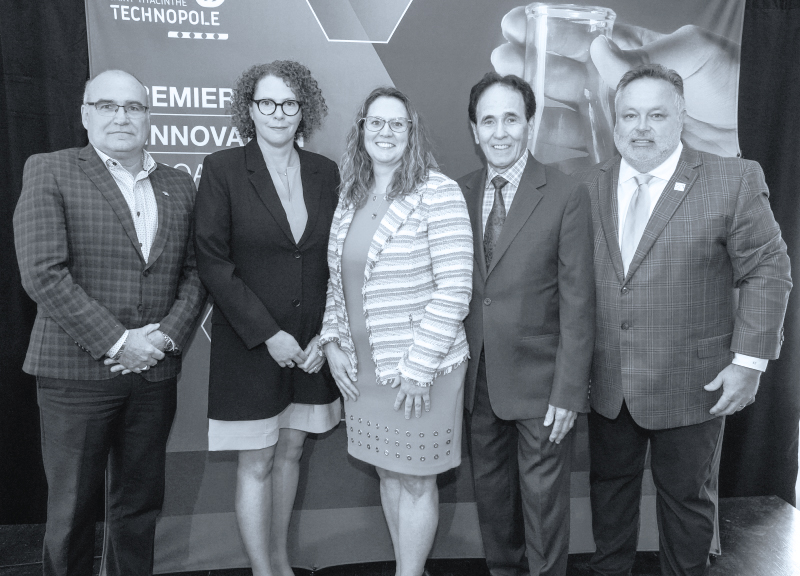
Over $1.2 Billion in Investments
In 2023, the Cité de l’innovation agroalimentaire celebrated its 20th anniversary. In less than two decades, it has seen the creation of some 40 technology companies that stand out for their R&D activities and the innovative nature of their products or production processes. To date, some 3,000 employees, including more than 200 world-renowned researchers, work within its walls. They have enabled the Cité to play a significant role in the economic development of the greater Saint-Hyacinthe region, as well as in the advancement and innovation of Quebec’s agri-food industry.
National and International Recognition
The Role of the Cité in Innovation and Growth in the Agri-Food Sector Recognized Beyond Its Borders
The Cité de l’innovation agroalimentaire has won numerous national and international awards, thereby promoting itself and the greater Saint-Hyacinthe region, its businesses, and its institutions in Quebec and elsewhere.
The World's Best Emerging Technology Park
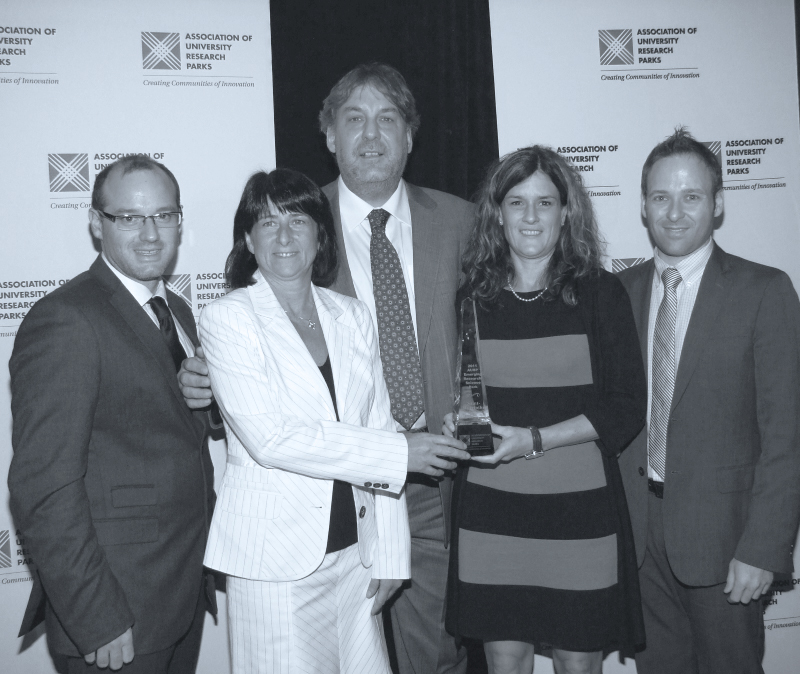
AURP Awards of Excellence
In 2011, the Association of University Research Parks (AURP) awarded the Cité de l’innovation agroalimentaire the prize for Best Emerging Technology Park in the World. It stood out among a dozen other technology parks around the world that were also nominated. The AURP recognized the young technology park’s ability to transfer technologies from applied research into viable economic activity, as well as to generate investment, employment, and public revenue. It also highlighted its active participation in the development of the university community and agri-food research, as well as its contribution to the recruitment and retention of researchers and young talent.
Mature, World-Class Innovation Ecosystem
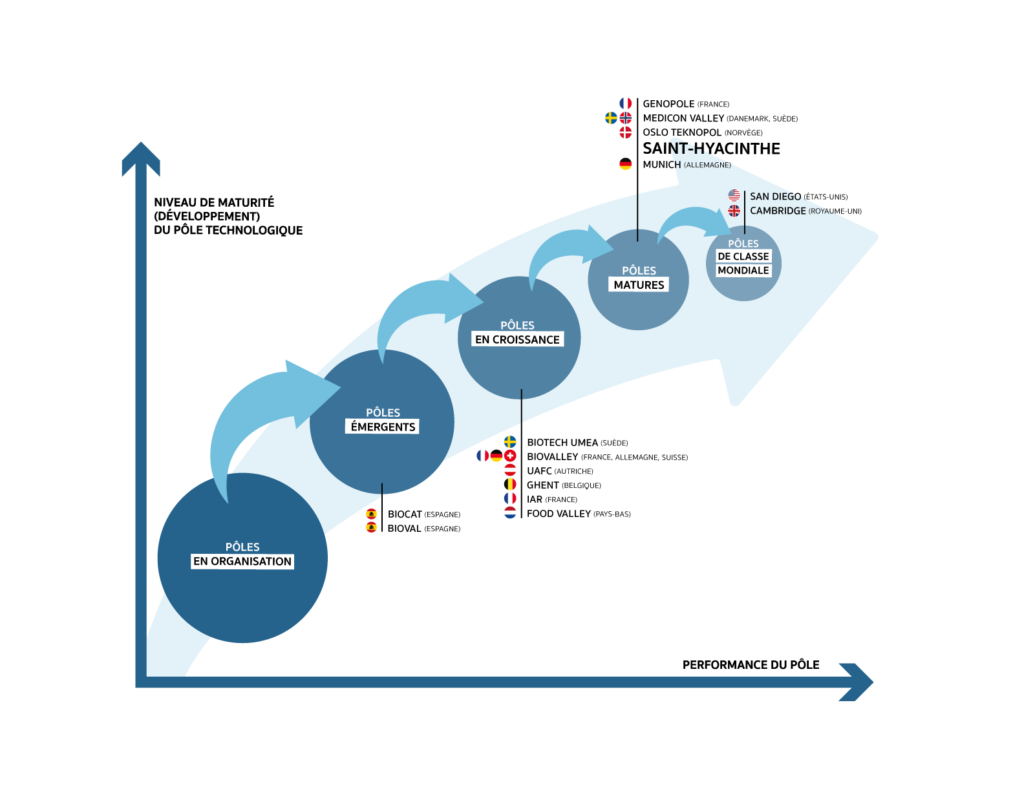
European Commission Study
In 2011, the Cité de l’innovation agroalimentaire was the only Canadian technology park, and the only one in North America along with San Diego in the United States, to be included in a prestigious study by PricewaterhouseCoopers conducted on behalf of the European Commission on the performance of “bioclusters.” Among all the parks studied, it ranked at the same level of development as the hubs in Paris, Oslo, and Munich, surpassed only by Cambridge and San Diego as the best models of development for its infrastructure for hosting and supporting business innovation and the synergy developed between its stakeholders.
A showcase of Quebec's agri-food expertise
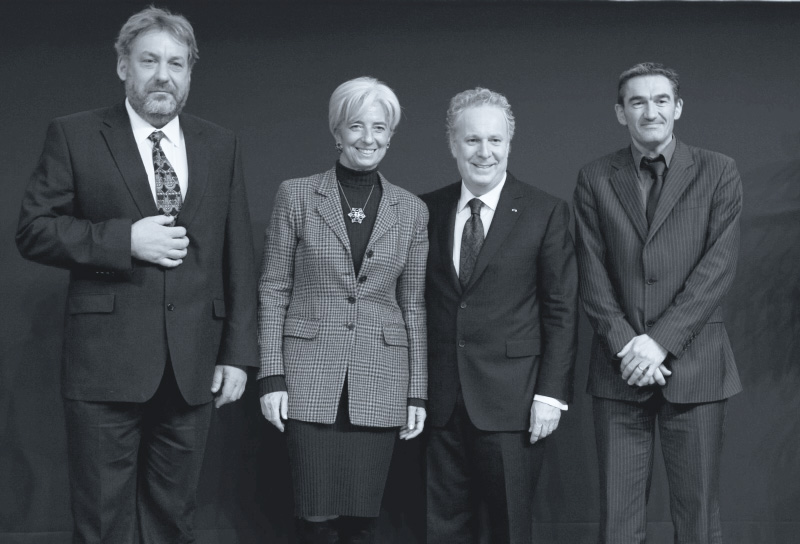
Hector-Fabre Award
Over the years, the Cité has also been awarded the Hector-Fabre Award by the Quebec Ministry of International Relations as an organization promoting Quebec abroad, in addition to being chosen as a “showcase of Quebec expertise” at the 16th France-Quebec meeting in Paris for its activities in agri-food innovation.
Partners

The Cité de l’innovation agroalimentaire is operated by Saint-Hyacinthe Technopole. Responsible for economic development in the greater Saint-Hyacinthe region, its mandate includes attracting new industrial and commercial businesses to the area. It offers various business development services to local companies, particularly in the field of agri-food innovation.

As a key partner, the City of Saint-Hyacinthe actively supports the development of the Cité de l’innovation agroalimentaire. Through its commitment to innovation, sustainability, and economic vitality, it is helping to make Saint-Hyacinthe an internationally recognized hub for agri-food research, processing, and entrepreneurship.

The MRC des Maskoutains actively supports the development of the Cité de l’innovation agroalimentaire, recognizing its key role in creating new opportunities and opening up markets for local businesses. By promoting innovation, processing, and the promotion of bio-food products, this project directly contributes to enhancing the value of the region’s agricultural production and strengthening its economy.

The Cité de l’innovation agroalimentaire, led by Saint-Hyacinthe Technopole, is one of the first Canadian members of the International Association of Science Parks and Areas of Innovation (IASP), demonstrating its early positioning within an international network dedicated to innovation, collaboration, and the sharing of expertise between science parks and innovation areas.

The Cité de l’innovation agroalimentaire is also a member of the Association of University Research Parks (AURP), an international network of university research parks committed to the development of innovation, applied research, and technology transfer.
Questions or a Project? Get in Touch With Us!
Thank you
The form has been sent successfully. We will contact you shortly.